
Last Updated: August 2026
Published by: Orio Pharma — a specialist oncology medicine supplier serving patients, pharmacies, and distributors worldwide.
Medical Review: Reviewed by Dr. Rakib Uddin Ahmed, MBBS, MD (Hematology)
Content Basis: This article is based on official prescribing information, product monographs, and regulatory product documentation from DRA and DGDA (Directorate General of Drug Administration, Bangladesh).
Sources: cabozanix.com, everestpharmabdestore.com, skpharmabd.com, drugs.com, drugs.com, drugs.com, ema.europa.eu, accessdata.fda.gov
Key Takeaways
- Cabozantinib 20 mg is a pan-tyrosine kinase inhibitor supplied through five Bangladeshi-manufactured brands: Cabozanix, Caboxib, Comarit, Caboxen, and Cabanib.
- It is approved for adults 18 years and older with progressive, metastatic medullary thyroid cancer, advanced renal cell carcinoma, and hepatocellular carcinoma previously treated with sorafenib.
- The drug works by inhibiting multiple receptor tyrosine kinase pathways involved in tumor angiogenesis, metastasis, and maintenance of the tumor microenvironment.
- Common side effects include diarrhea, fatigue, nausea, decreased appetite, and hand-foot syndrome, while serious risks include gastrointestinal perforation, hemorrhage, and thrombotic events.
- All five Bangladeshi brands are exported to Pakistan in compliance with DRA Pakistan import and registration requirements, with additional shipping availability to India and Saudi Arabia.
- Treating oncologists remain solely responsible for dosing, strength selection, and clinical monitoring decisions based on official prescribing information.
Cabozantinib 20 mg: Product Overview
Cabozantinib 20 mg is a pan-tyrosine kinase inhibitor formulated for oral administration in oncology treatment protocols. As a kinase inhibitor, it is designed to interfere with multiple receptor tyrosine kinase pathways implicated in tumor growth and progression. The 20 mg strength is available across five Bangladeshi-manufactured brands: Cabozanix, Caboxib, Comarit, Caboxen, and Cabanib, each produced under Bangladesh’s pharmaceutical manufacturing standards.
We are a Bangladesh-based B2B pharmaceutical export company specializing in the supply of oncology medicines to international markets, with a primary focus on Pakistan and additional distribution reach into India and Saudi Arabia. Our role is to connect Bangladeshi drug manufacturers with pharmacies, hospitals, and healthcare procurement teams abroad, ensuring reliable access to critical oncology therapies. As a supplier, we do not alter formulation or dosing guidance — all clinical decisions regarding cabozantinib therapy remain the responsibility of the treating oncologist, in accordance with the approved prescribing information for each brand. This overview introduces the product class and brand landscape ahead of a detailed review of indications, mechanism, safety, and export logistics in the sections that follow.
This article is intended for licensed healthcare professionals, hospital procurement teams, and pharmacy buyers evaluating oncology export sourcing. It summarizes publicly available prescribing information and regulatory context relevant to Bangladeshi-manufactured cabozantinib brands; it does not replace the official prescribing information, clinical judgment of a treating oncologist, or the guidance of a qualified pharmacist.

Approved Indications and Clinical Use
Cabozantinib is approved for use in adults aged 18 years and older across three oncology indications. The primary indication relevant to this product line is progressive, metastatic medullary thyroid cancer in patients 18 years of age and older, a rare and aggressive thyroid malignancy where disease progression necessitates systemic kinase-inhibitor therapy.
Beyond medullary thyroid cancer, cabozantinib is also approved for advanced renal cell carcinoma (RCC) in adults 18 years and older, typically used in patients with progressive metastatic kidney cancer. A third approved indication covers hepatocellular carcinoma (HCC) in adults 18 years and older who have previously been treated with sorafenib, positioning cabozantinib as a subsequent-line systemic therapy option in liver cancer management.
Across all three indications, cabozantinib functions as a targeted oncology therapy rather than a conventional cytotoxic chemotherapy agent, reflecting its mechanism of inhibiting specific tyrosine kinase receptors involved in tumor progression. Treating physicians determine indication-specific suitability based on tumor staging, prior treatment history, and overall patient condition. Procurement teams and healthcare providers sourcing cabozantinib for any of these indications should refer to the approved prescribing information accompanying each brand for complete clinical guidance, contraindications, and monitoring requirements relevant to the specific patient population being treated.

Mechanism of Action
Cabozantinib operates as a pan-tyrosine kinase inhibitor, meaning it targets multiple receptor tyrosine kinases simultaneously rather than a single molecular pathway. These receptor tyrosine kinases play essential roles in normal cellular signaling but are frequently dysregulated in cancer, contributing to pathologic processes including oncogenesis, tumor growth, and disease progression.
A central component of cabozantinib’s mechanism is its inhibition of pathways involved in tumor angiogenesis — the process by which tumors develop new blood vessels to sustain growth and spread. By interfering with angiogenic signaling, cabozantinib limits the vascular support that tumors depend on for continued proliferation. In parallel, the compound targets kinase pathways associated with metastasis, the process through which cancer cells migrate from a primary tumor site to distant tissues, which is particularly relevant in progressive, metastatic disease states such as medullary thyroid cancer.
Cabozantinib additionally affects the maintenance of the tumor microenvironment, the surrounding cellular and vascular network that supports tumor survival and resistance to treatment. Through this combined action across oncogenesis, metastasis, angiogenesis, and microenvironment maintenance, cabozantinib provides a multi-pathway therapeutic approach distinct from single-target kinase inhibitors, which is central to its role across the approved oncology indications described in this article.
This mechanism-of-action summary reflects information consistent with published prescribing information for cabozantinib-containing products and is provided for general educational context; it should not be used as a substitute for the official pharmacology and clinical pharmacology sections of the approved product labeling.
Available Brands and Manufacturers in Bangladesh
Five Bangladeshi-manufactured brands of cabozantinib 20 mg are available for export supply. Cabozanix and Caboxib are both manufactured by Beacon Pharmaceuticals Ltd., a well-established Bangladeshi pharmaceutical company recognized for its oncology product portfolio. Cabozanix is registered by the Directorate General of Drug Administration & Licensing Authority (Drugs) of Bangladesh, reflecting adherence to national regulatory standards for oncology manufacturing.
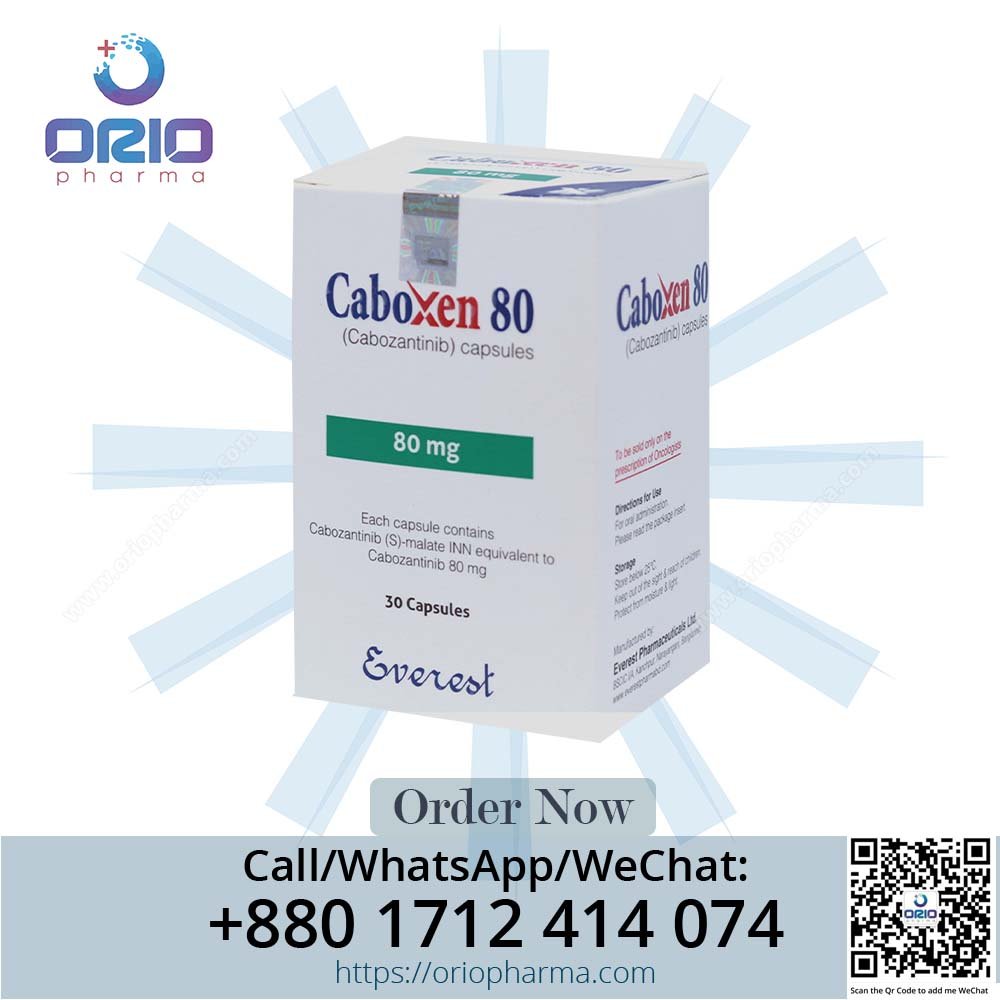
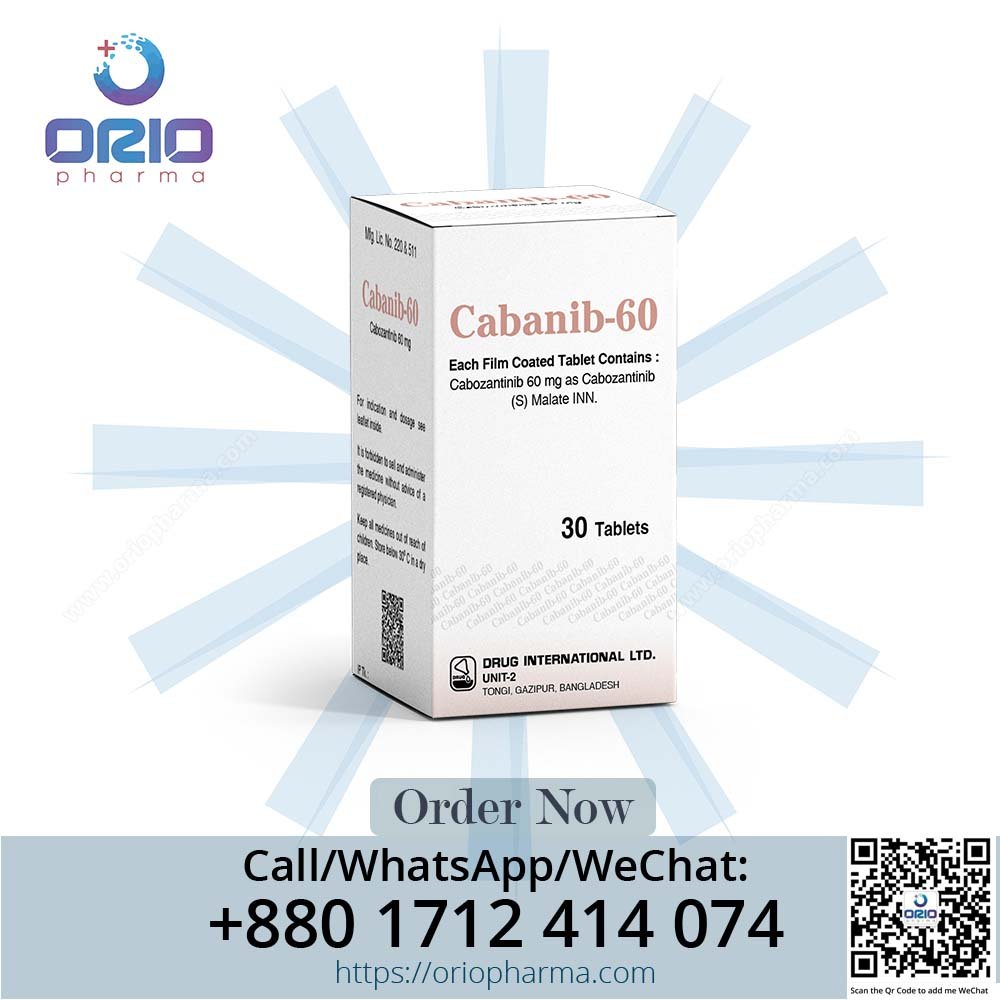
Comarit is produced by Genvio Pharma, while Caboxen is manufactured by Everest Pharmaceuticals Ltd. and is available in both 20 mg and 80 mg strengths, offering flexibility for varying clinical formulation needs. Cabanib rounds out the portfolio as the product of Drug International, another established name in Bangladesh’s pharmaceutical export sector.
All five brands originate exclusively from Bangladeshi manufacturing facilities, consistent with our position as a Bangladesh-based supplier serving international oncology markets. Globally, cabozantinib is also recognized under the originator brand Cometriq, historically associated with the capsule formulation used in early regulatory approvals for medullary thyroid cancer; this reference point is noted here only for general market context. Buyers evaluating cabozantinib procurement can expect consistent active pharmaceutical ingredient standards across the Bangladeshi brands listed, each manufactured to meet the regulatory expectations of the markets we export to, including Pakistan, India, and Saudi Arabia.
Buyers seeking to verify manufacturer credentials are encouraged to request current Certificates of Pharmaceutical Product (CPP), Good Manufacturing Practice (GMP) certification, and batch-specific certificates of analysis directly from our team as part of standard due diligence prior to order confirmation.
Dosage Forms and Strengths
Cabozantinib is available across multiple dosage forms and strengths depending on formulation and indication. Available forms include 20 mg and 80 mg capsule presentations, as well as 20 mg, 40 mg, and 60 mg tablet presentations. The 20 mg strength central to this article is supplied as an oral formulation intended to be swallowed whole, consistent with standard oral kinase-inhibitor administration practices.
Formulation differences — capsule versus tablet — correspond to different branded product lines and are not interchangeable on a milligram-for-milligram basis without physician guidance. Selection of appropriate strength and form depends on the specific indication being treated, prior therapy history, and individual patient factors assessed by the treating oncologist.
This article does not provide dosing amounts, regimens, or administration schedules. All dosing decisions, including strength selection and administration frequency, must be determined by the treating physician in accordance with the official prescribing information accompanying the specific brand dispensed. Procurement and pharmacy teams should ensure that prescribing information is available alongside any shipment for clinical reference.

Side Effects and Safety Considerations
Cabozantinib therapy is associated with a defined profile of common and serious adverse effects that healthcare providers must monitor throughout treatment. rome). Additional common effects include hypertension, vomiting, weight loss, constipation, stomatitis, dysphonia, and abdominal pain.
Beyond these common effects, cabozantinib carries several serious safety risks requiring close clinical monitoring. These include gastrointestinal perforation, fistula formation, and hemorrhage, all of which can be life-threatening if not promptly identified and managed. Thrombotic events, encompassing both arterial and venous complications, represent another serious risk category, alongside hepatotoxicity, wound healing complications, and the rare but serious reversible posterior leukoencephalopathy syndrome. Hypertension and diarrhea, while listed among common effects, can also escalate to serious severity in some patients and require ongoing monitoring.
Given this safety profile, cabozantinib should only be administered under the supervision of a qualified oncology healthcare provider, with regular monitoring for early signs of gastrointestinal, cardiovascular, and hepatic complications. Patients and caregivers should be counseled to report new or worsening symptoms promptly. Pharmacies and healthcare providers distributing cabozantinib should ensure patients receive full prescribing information detailing these risks before treatment initiation.
The safety information summarized above reflects adverse event categories commonly described in published prescribing information for cabozantinib-containing products and is not exhaustive. Institutions and clinicians should consult the complete, current prescribing information for the specific brand dispensed for full boxed warnings, contraindications, and monitoring parameters.

Regulatory Status and Approval in Pakistan
Cabozantinib-based products intended for the Pakistani market are supplied through export channels in accordance with the import registration and regulatory review processes administered by the Drug Regulatory Authority of Pakistan (DRA Pakistan, dra.gov.pk). As a Bangladeshi export supplier, we facilitate the movement of cabozantinib brands manufactured in Bangladesh to registered pharmacies, hospitals, and healthcare distributors in Pakistan, with all import documentation and registration handled in compliance with DRA Pakistan requirements. No claim is made regarding local manufacture within Pakistan — all product originates from Bangladeshi manufacturing facilities.
Internationally, cabozantinib has an established regulatory history that informs its global clinical credibility. The capsule formulation received FDA approval in 2012, followed by FDA approval of the tablet formulation in 2016 for advanced renal cell carcinoma. The tablet formulation has also received approval from the European Medicines Agency (EMA). These international regulatory milestones provide background context for the molecule’s global recognition, though Pakistani market access for the Bangladeshi-manufactured brands referenced in this article is governed specifically by DRA Pakistan import and registration protocols. Healthcare providers and procurement teams in Pakistan should confirm current registration status for any brand prior to order placement.
We recommend that institutional buyers cross-reference import documentation directly with DRA Pakistan (dra.gov.pk) and, where applicable, relevant national drug authorities in India and Saudi Arabia, as regulatory status can be updated periodically and remains the responsibility of the importing institution to verify.
Global Supply, Shipping, and Ordering Information
Pakistan is our primary export market for cabozantinib 20 mg brands, and we maintain export logistics tailored to the regulatory and procurement needs of Pakistani pharmacies, hospitals, and oncology treatment centers. Our supply chain is structured to support reliable, compliant delivery of Bangladeshi-manufactured cabozantinib brands — Cabozanix, Caboxib, Comarit, Caboxen, and Cabanib — to institutional and pharmacy-level buyers across the country.
In addition to Pakistan, we extend shipping availability to buyers in India and Saudi Arabia, supporting broader regional access to Bangladeshi oncology exports. Buyers in these secondary markets should note that regulatory framing and import documentation are handled according to the specific requirements of their respective national drug authorities, separate from the Pakistan-focused registration context described elsewhere in this article.
Healthcare providers, hospital procurement departments, and licensed pharmacy buyers interested in sourcing cabozantinib 20 mg are encouraged to contact us directly for current availability and pricing information. As pricing is subject to order volume, shipment terms, and market-specific factors, specific figures are not published; our team can provide tailored quotations upon inquiry. For institutions also managing broader oncology procurement needs, related targeted therapies such as Lenvatinib 4mg may be of interest as part of a comprehensive kinase-inhibitor supply strategy. We welcome inquiries from licensed pharmaceutical buyers seeking dependable, export-compliant access to Bangladeshi-manufactured oncology medicines.
Frequently Asked Questions
Is cabozantinib 20 mg effective for treating cancer?
Cabozantinib is approved as a targeted oncology therapy for progressive, metastatic medullary thyroid cancer, advanced renal cell carcinoma, and previously treated hepatocellular carcinoma, working by inhibiting tyrosine kinase pathways involved in tumor growth, angiogenesis, and metastasis. Its effectiveness for a specific patient depends on tumor staging, prior treatment history, and overall condition as assessed by the treating oncologist. This article does not provide dosing details, and all treatment decisions should be guided by the prescribing physician.
What type of cancer is cabozantinib used to treat?
Cabozantinib is approved for three oncology indications in adults 18 years and older: progressive, metastatic medullary thyroid cancer, advanced renal cell carcinoma, and hepatocellular carcinoma in patients previously treated with sorafenib. It functions as a targeted therapy rather than conventional chemotherapy, working through inhibition of tyrosine kinase receptor pathways. The treating oncologist determines suitability for each indication based on individual patient factors.
How long is cabozantinib treatment typically continued?
The article does not specify treatment duration, as this is determined by the treating oncologist based on disease progression, patient response, and tolerability. Treatment for progressive, metastatic disease is generally managed through ongoing physician monitoring rather than a fixed course. Patients should follow the guidance of their prescribing physician regarding continuation or adjustment of therapy.
What are the most common side effects of cabozantinib?
Commonly reported side effects include diarrhea, fatigue, nausea, decreased appetite, and hand-foot syndrome (palmar-plantar erythrodysesthesia), along with hypertension, vomiting, and weight loss. Serious risks that require monitoring include gastrointestinal perforation, hemorrhage, and thrombotic events. Patients should be counseled to report new or worsening symptoms promptly to their healthcare provider, as this list is not exhaustive.
Which Bangladeshi brands of cabozantinib 20 mg are available for export to Pakistan?
Five Bangladeshi-manufactured brands are available: Cabozanix and Caboxib from Beacon Pharmaceuticals Ltd., Comarit from Genvio Pharma, Caboxen from Everest Pharmaceuticals Ltd., and Cabanib from Drug International. These brands are exported to registered pharmacies, hospitals, and healthcare distributors in Pakistan in accordance with DRA Pakistan import and registration requirements. Shipping is also available to buyers in India and Saudi Arabia.
How can healthcare providers or pharmacies in Pakistan order cabozantinib 20 mg?
Healthcare providers, hospital procurement departments, and licensed pharmacy buyers can contact the supplier directly for current availability and tailored quotations. Pricing depends on order volume, shipment terms, and market-specific factors, so figures are provided upon inquiry rather than published. All shipments to Pakistan are handled in compliance with DRA Pakistan import documentation and registration protocols.
- 1. cabozanix.com
- 2. www.everestpharmabdestore.com
- 3. www.skpharmabd.com
- 4. www.drugs.com
- 5. www.drugs.com
- 6. www.drugs.com
- 7. www.ema.europa.eu
- 8. www.accessdata.fda.gov
Access This Medicine Through Orio Pharma
We are a specialist oncology medicine supplier delivering to patients, pharmacies, hospitals, and distributors worldwide. Contact us for availability and sourcing support.
We do not publish prices online. All pricing is provided directly by our specialist supply team on request.
Medical Information Notice: This content is for informational purposes only and is based on official pharmaceutical product documentation. It does not constitute medical advice. Patients should consult their doctor or pharmacist before taking any medication.
Regulatory Disclaimer: Sourcing and distribution are subject to regional import regulations, quotas, and verified medical prescriptions where applicable. Pricing and availability are subject to change without notice.
Content Currency: This article was last reviewed and updated in August 2026. Regulatory approval statuses and product availability are subject to change; readers are advised to consult official regulatory databases for the most current information.